
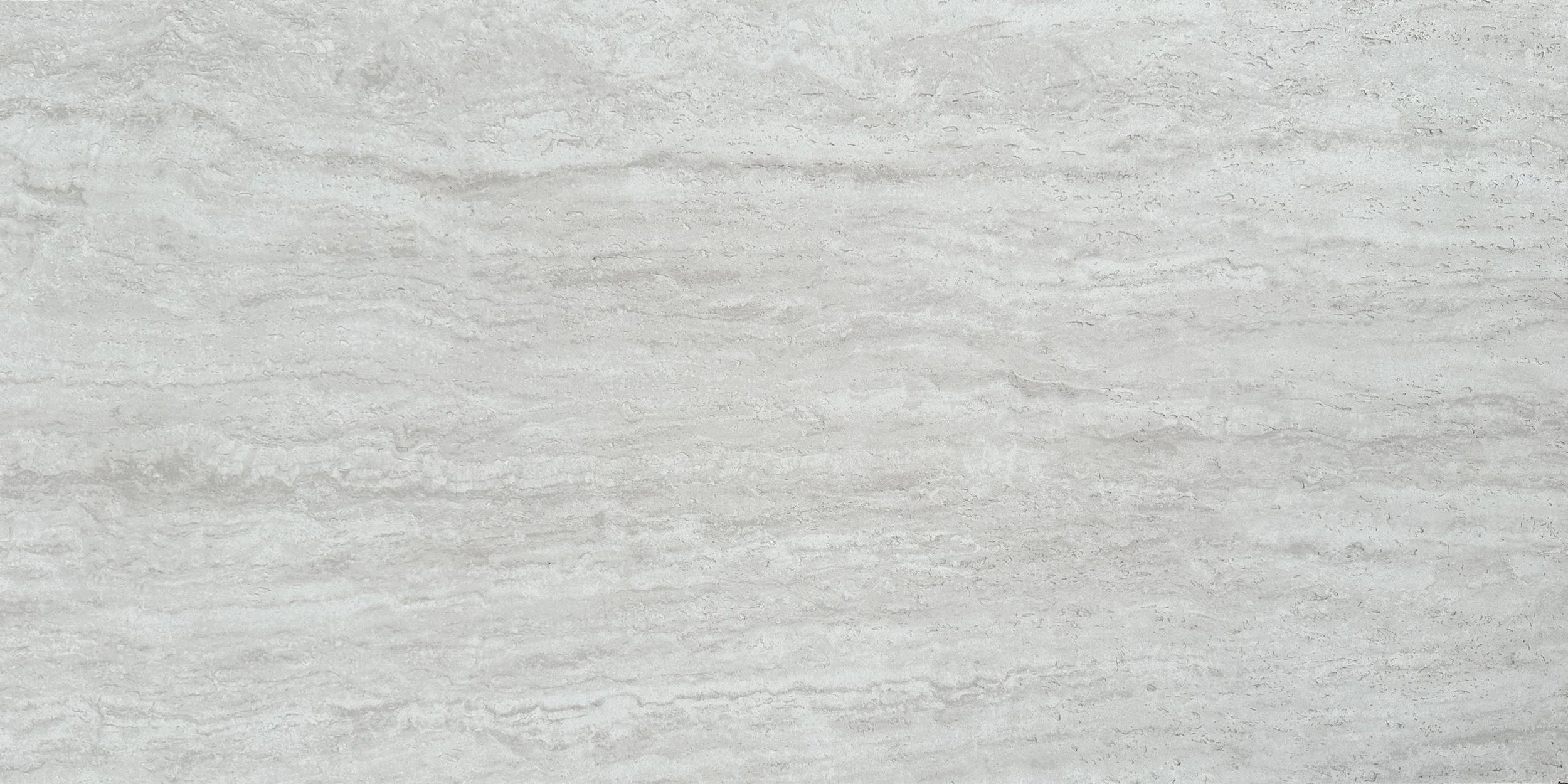
Soft Stone
All you need to know
Key information to consider when selecting and specifying this surface — covering performance, application, and the essential details that inform both design and function.
IMPORTANT INFORMATIONUnderstanding Soft Stone
Freeze–thaw resistance. Tested through up to 100 freeze–thaw cycles with no surface powdering, cracking or shedding.
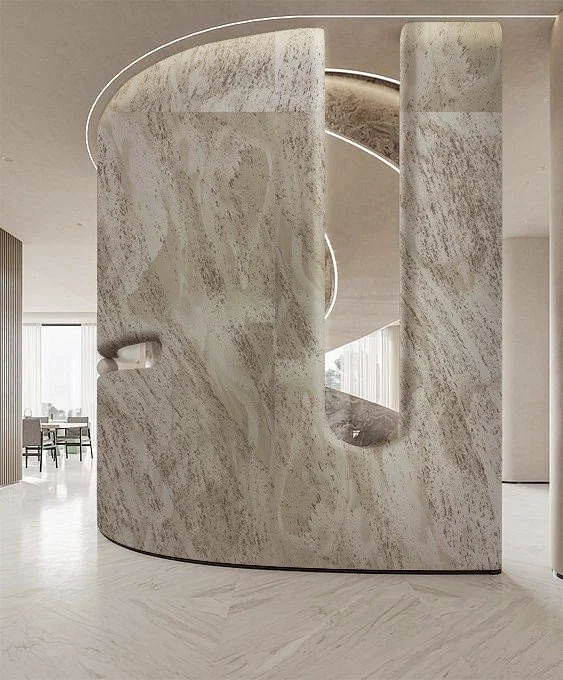
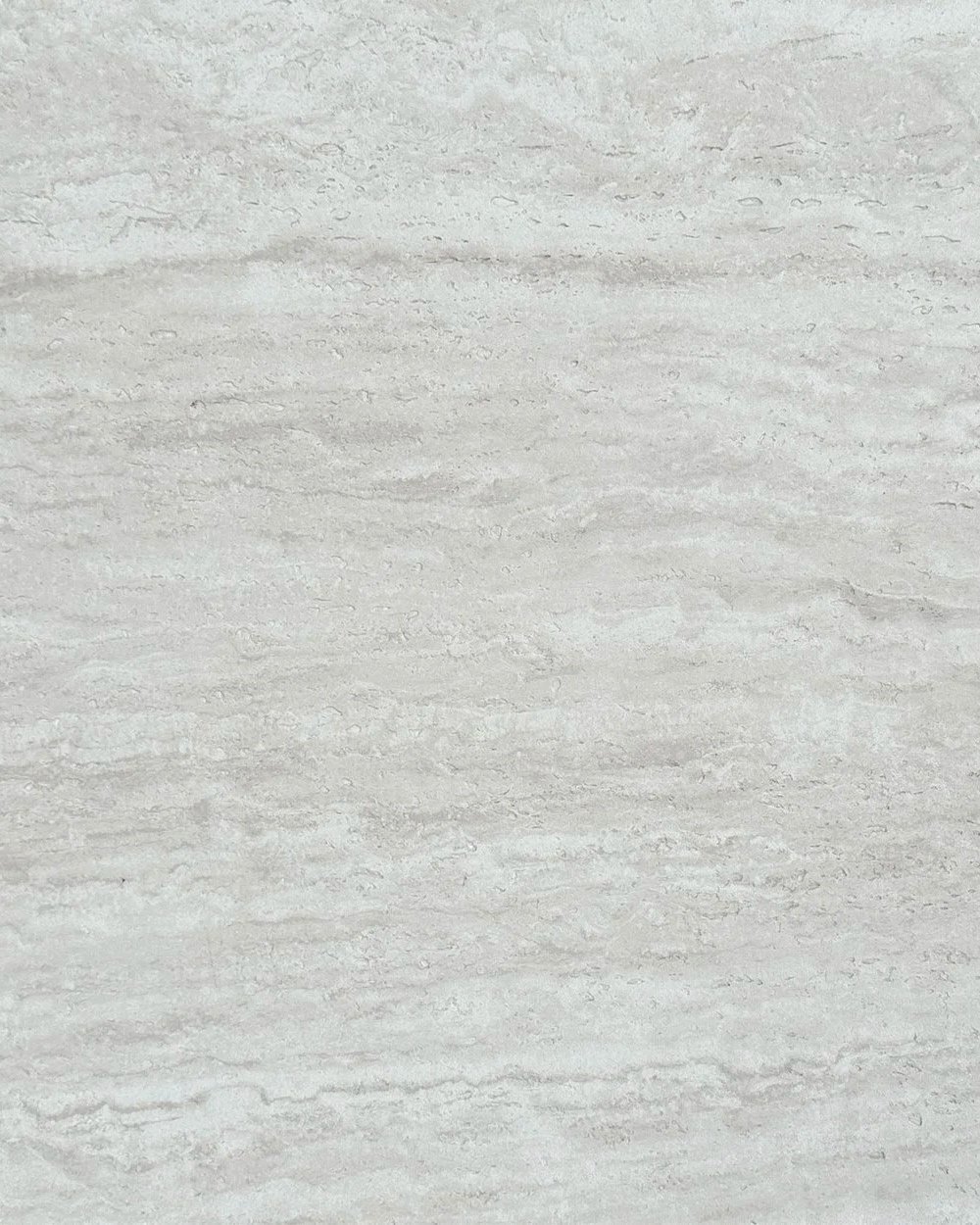
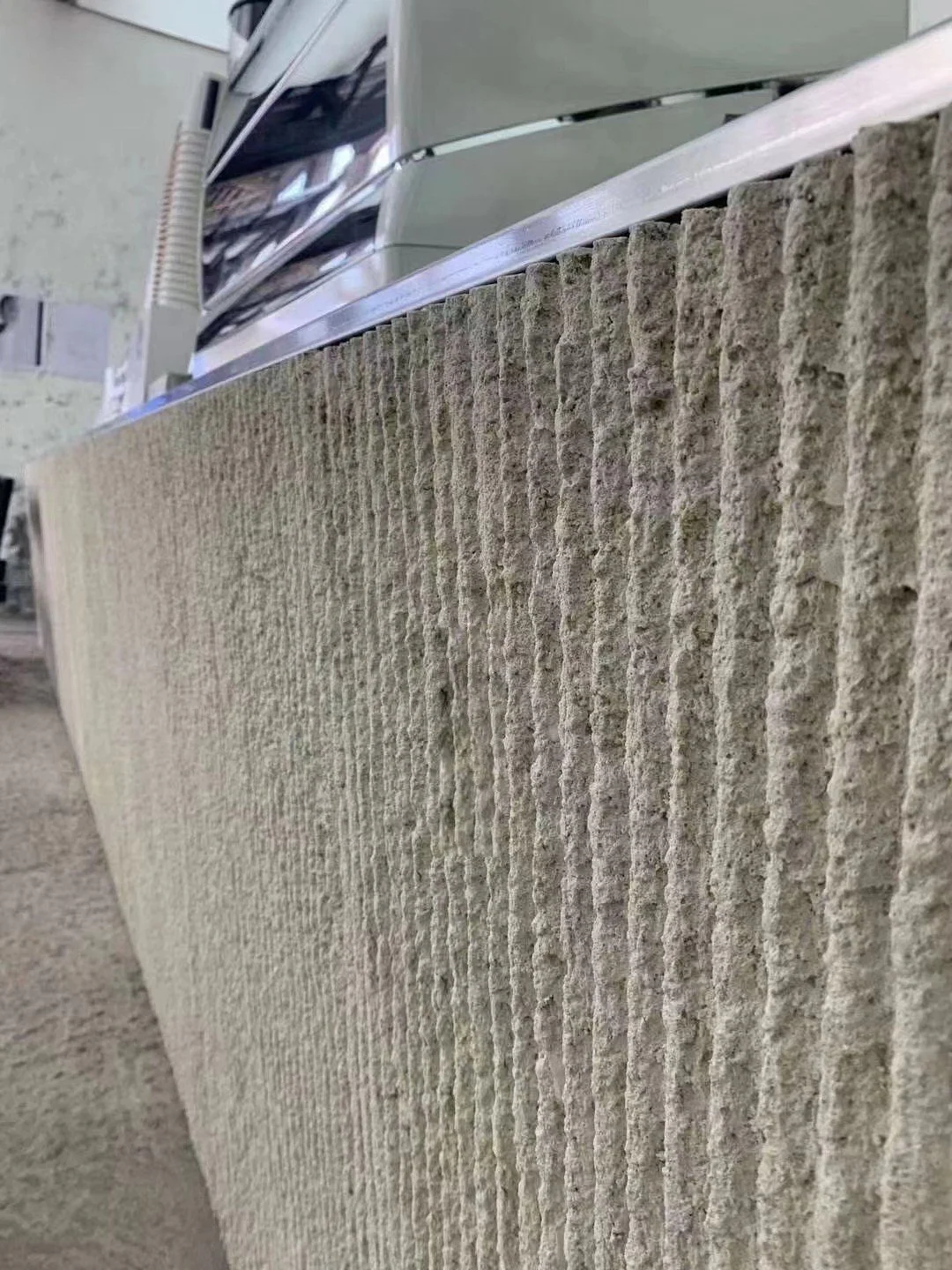
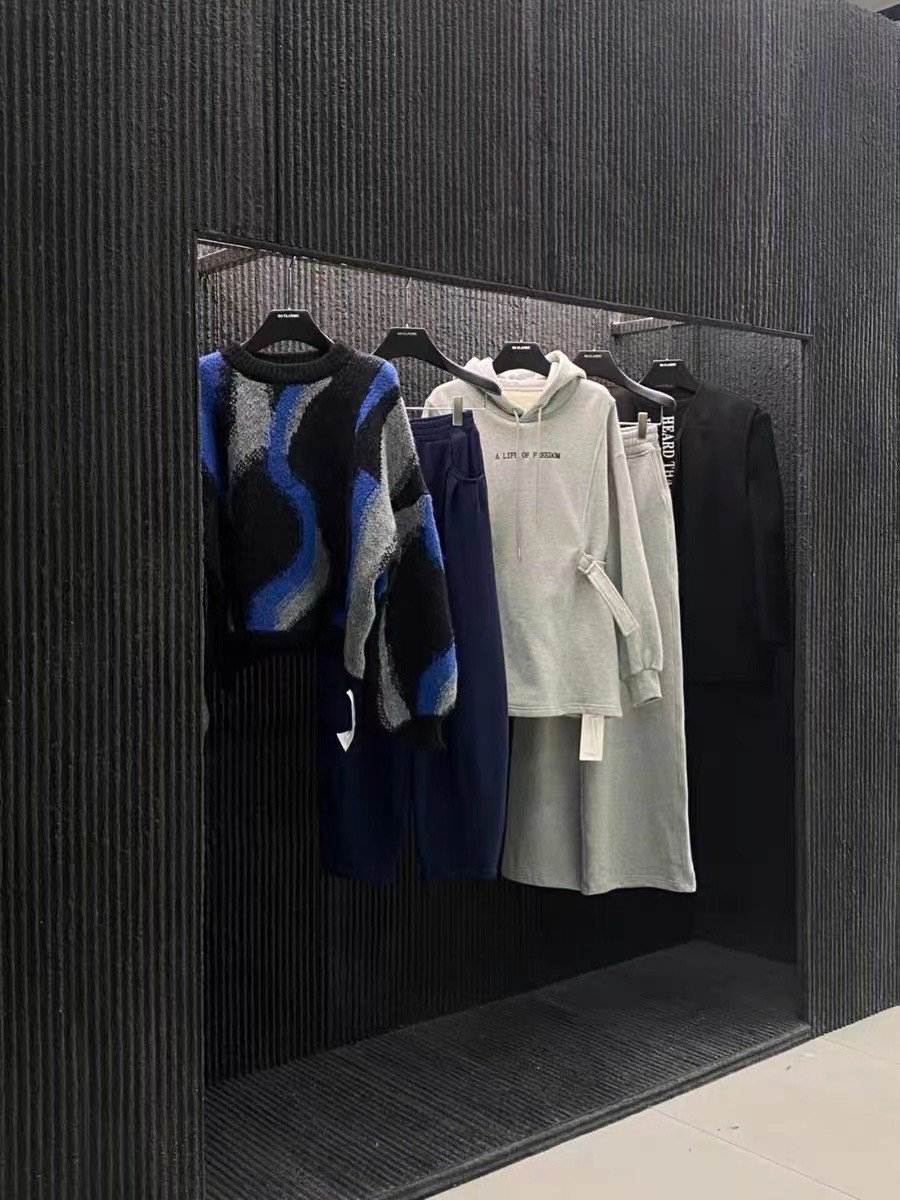
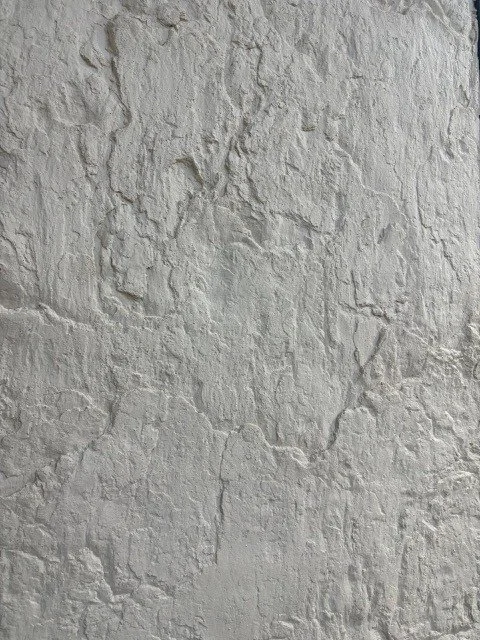
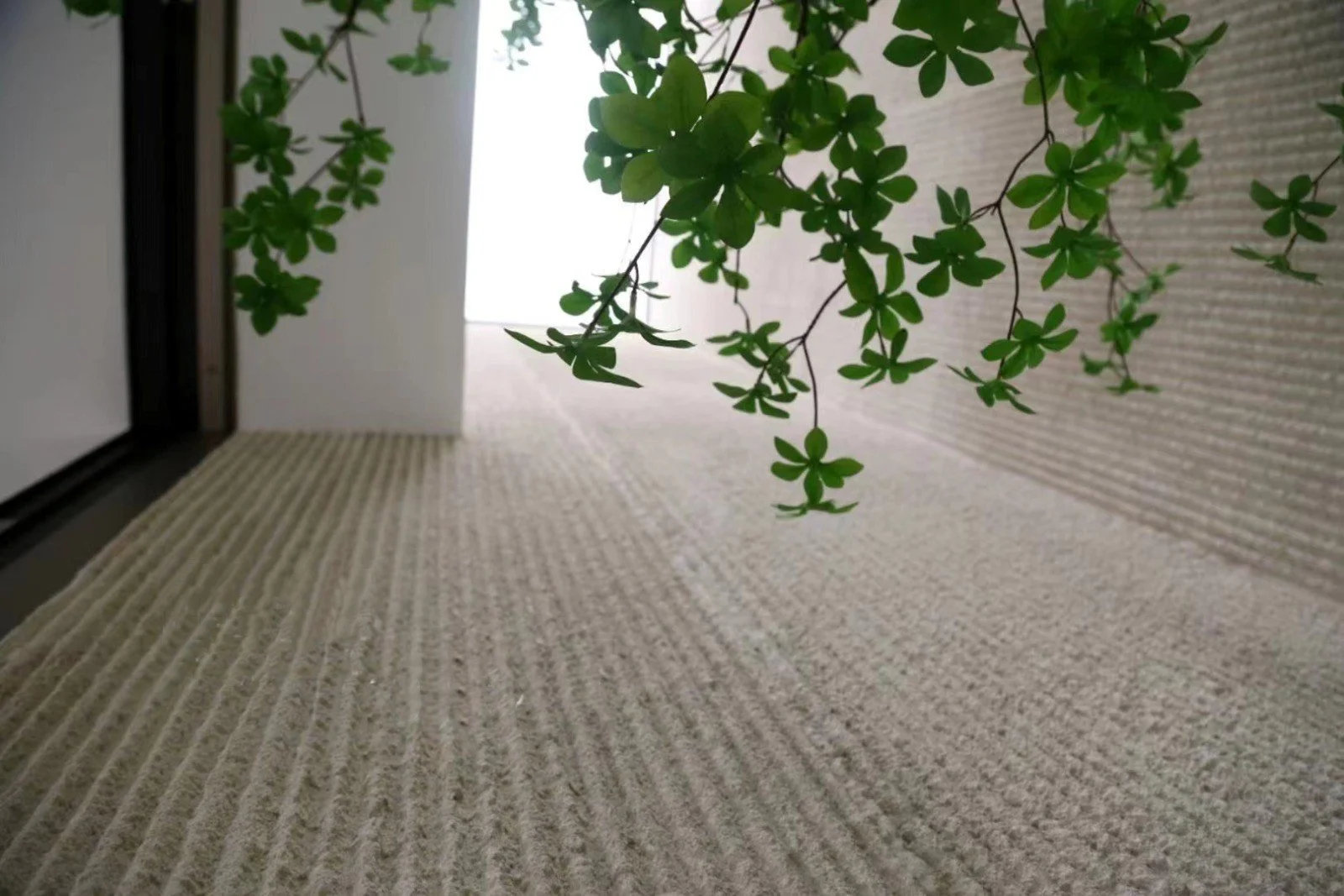
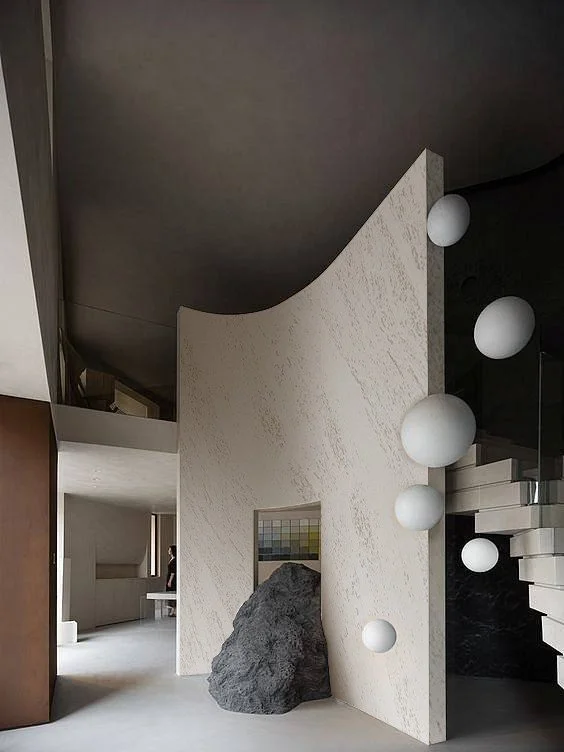
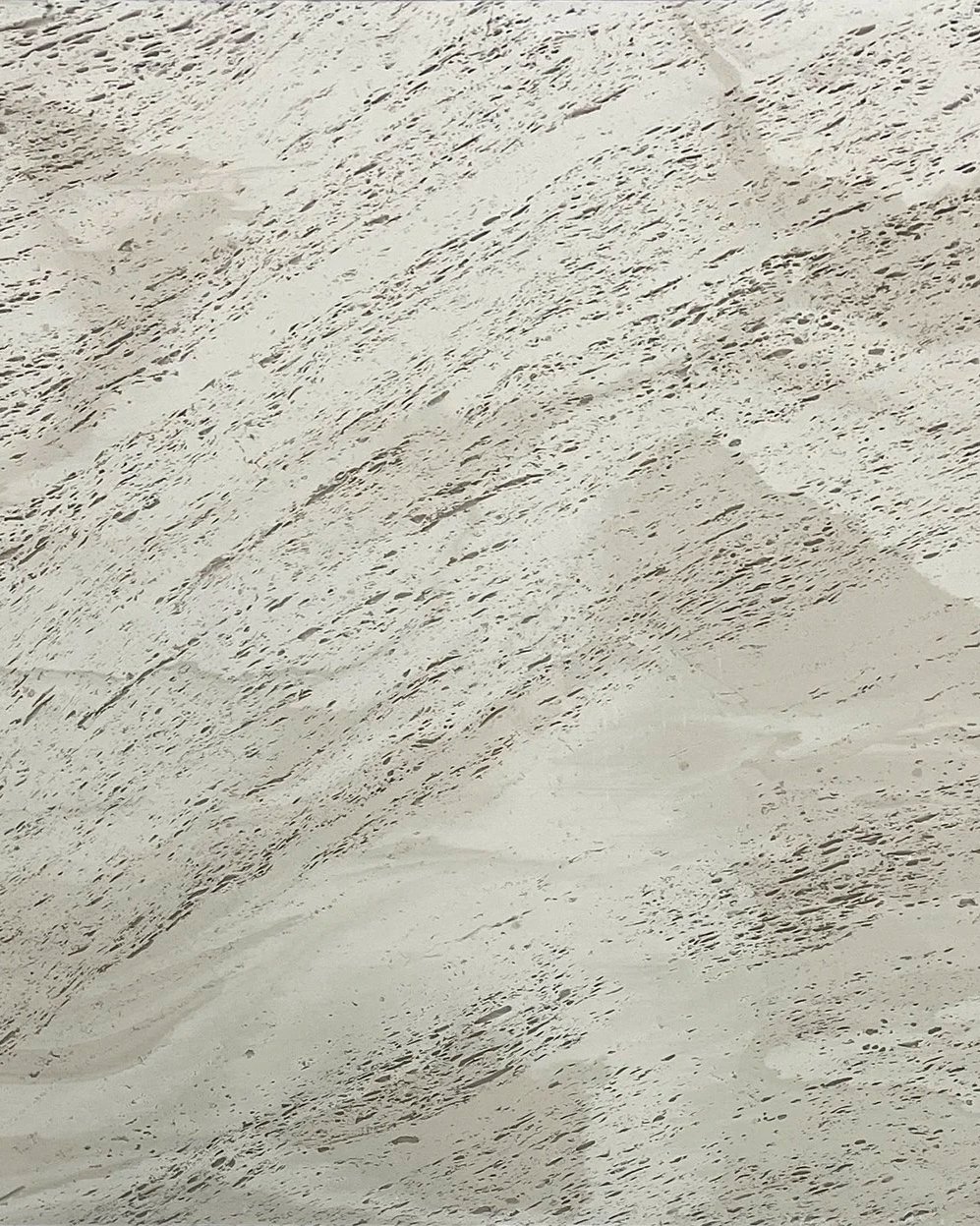
Natural appearance. Made using natural stone powder and clay to create authentic colour and texture.
Strong water repellency. Water beads on the surface, helping carry away dust and dirt.
Class A fire performance.
Lightweight and flexible. Soft Stone offers good ductility, breathability, impact resistance and crack resistance. Its slim profile saves space, requires less adhesive and is easier to transport than conventional stone.
Water- and moisture-resistant. Its natural mineral composition provides inherent resistance to moisture.
Application
Tools required: grinder, laser level, specialised colour-matching agent and repair compound, specialised nano sealer, painter’s tape, touch-up brush, construction adhesive, caulking gun, tile adhesive, putty knife, notched trowel, air gun (optional), rubber sheet, cutting knife, electric mixer, mixing bucket, shovel, square cotton sponge and small spatula.
Materials required: tile adhesive, sealant and flexible stone installation adhesive.
When applying adhesive in dots, spacing should not exceed 50mm.
Pre-construction conditions
During installation and for 24 hours after completion, the substrate and surrounding temperature should remain between 5°C and 40°C.
Select an experienced installer to ensure the material is handled and applied correctly.
Do not install during heavy rain, snow or winds above level 5. Protect the work area from rain and water runoff during installation.
The wall or floor substrate must be structurally sound and free from cracks, hollow areas, dust, grease and other contaminants.